Many drivers base servicing purely on mileage or annual schedules, overlooking the impact that changing seasons have on mechanical systems. Temperature fluctuations, road salt, moisture and prolonged heat all place different types of stress on a vehicle throughout the year. While these changes may seem gradual, their cumulative effect often results in premature wear and unexpected repair costs. Seasonal servicing anticipates these stresses before they develop into expensive problems.
Modern vehicles are engineered to operate within specific temperature and environmental ranges. When those conditions shift significantly, components experience expansion, contraction, corrosion and strain. Addressing seasonal stress points proactively allows drivers to prevent avoidable breakdowns, extend component lifespan and stabilise long-term running costs. Seasonal servicing is not an added expense, but a strategic investment in controlled ownership.
How Temperature Extremes Accelerate Wear
Both hot and cold weather create mechanical stress that affects fluids, seals and metal components. Extreme temperatures alter viscosity, cause expansion and contraction, and influence electrical performance. Seasonal checks ensure systems remain stable despite these changes.
- Cold temperatures thicken fluids and slow circulation
- Heat accelerates oil breakdown and fluid degradation
- Rubber seals harden or soften depending on climate
- Electrical systems react to voltage fluctuation in extremes
Why Seasonal Fluid Checks Prevent Major Repairs
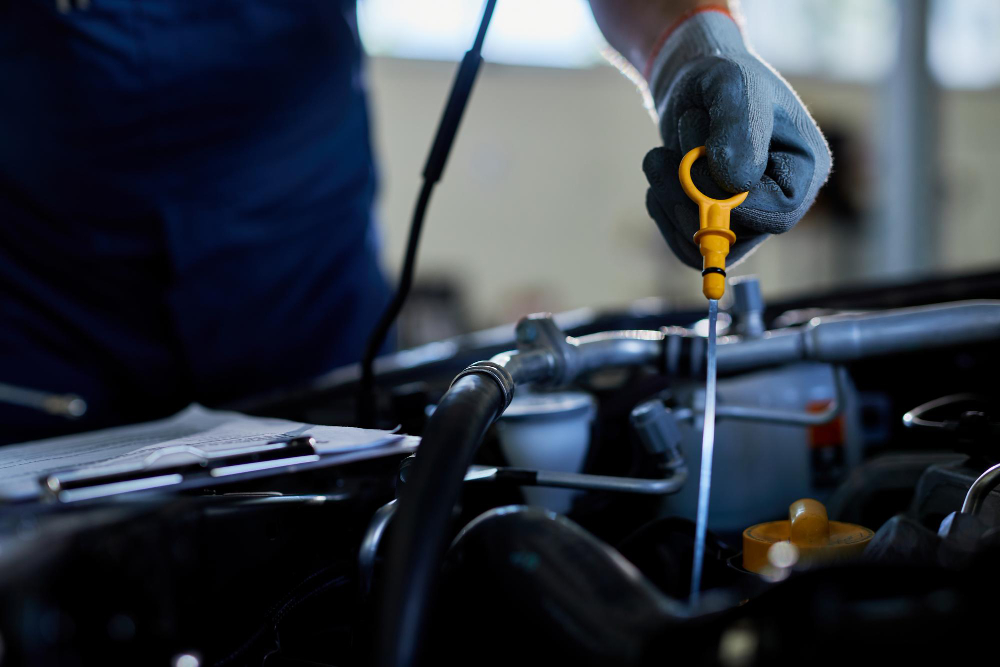
Engine oil, coolant, brake fluid and transmission fluid all respond differently to temperature shifts. Seasonal servicing ensures fluid levels and quality remain within safe operating ranges before weather conditions intensify.
- Oil condition is assessed before winter thickening
- Coolant strength is checked for frost protection
- Brake fluid moisture levels are monitored
- Transmission fluid is inspected for degradation
The Hidden Cost of Ignoring Winter Battery Strain
Cold weather places significant demand on vehicle batteries. Reduced chemical efficiency combined with higher electrical load increases failure risk. A seasonal battery check can prevent unexpected breakdowns.
- Cold starts require higher current draw
- Battery capacity decreases in low temperatures
- Alternator performance is tested proactively
- Early replacement prevents roadside failure
Tyres and Changing Road Conditions
Tyres are directly affected by seasonal temperature changes and road surfaces. Pressure fluctuations and surface grip variation increase wear if not managed correctly.
- Tyre pressure drops in cold weather
- Hot roads increase wear rate
- Wet conditions reduce grip margins
- Seasonal checks ensure safe tread depth
Cooling Systems and Summer Overheating Risks
High summer temperatures amplify stress on cooling systems. Weak hoses, low coolant levels or partially blocked radiators often fail during prolonged heat.
- Radiator efficiency is inspected
- Coolant levels and mixture are verified
- Hoses are checked for weakness
- Fans and thermostats are tested for reliability
Brake Performance in Wet and Icy Conditions
Seasonal moisture, salt and temperature variation affect braking performance. Preventative inspection reduces uneven wear and corrosion.
- Brake discs are checked for corrosion
- Pads are inspected for uneven wear
- Calipers are assessed for free movement
- Brake fluid remains within safe limits
Suspension Wear from Seasonal Road Damage
Winter potholes and uneven surfaces increase suspension strain. Without inspection, minor wear becomes more severe over time.
- Bushings are checked for cracking
- Shock absorbers are tested for leakage
- Alignment is measured accurately
- Steering components are inspected for play
Preventing Corrosion Before It Spreads
Moisture and road salt accelerate corrosion during colder months. Surface rust can develop into structural damage if ignored.
- Underbody components are examined
- Protective coatings are assessed
- Brake pipes are inspected for corrosion
- Drainage points are cleared
Protecting Fuel Efficiency Across Seasons
Seasonal changes can quietly reduce fuel efficiency through increased rolling resistance, thicker fluids or poor combustion balance. Targeted servicing maintains optimal performance.
- Air filters are replaced when required
- Tyre pressures are corrected seasonally
- Engine diagnostics detect inefficiencies
- Alignment reduces unnecessary drag
Air Conditioning and Demisting Efficiency
Air conditioning systems are not only for comfort but also for effective demisting and humidity control. Seasonal servicing ensures these systems operate efficiently.
- Refrigerant levels are checked
- Cabin filters are inspected
- Compressor operation is verified
- Demisting performance is maintained
Seasonal Driving Patterns and Engine Stress
Driving habits often change with the seasons. Shorter winter journeys and heavier summer motorway use create different mechanical demands.
- Short winter trips increase condensation
- Summer motorway speeds increase engine load
- Seasonal checks adapt to usage patterns
- Service timing reflects driving behaviour
Protecting Hybrid and EV Systems in Extreme Weather
Hybrid and electric vehicles are particularly sensitive to temperature shifts. Battery performance and charging behaviour vary seasonally.
- Battery health checks are performed
- Cooling systems are inspected
- Software updates optimise efficiency
- Charging systems are evaluated
Reducing Emergency Repair Costs
Unplanned repairs are often more expensive due to urgency and collateral damage. Seasonal servicing reduces the likelihood of breakdown-related costs.
- Early fault detection prevents escalation
- Labour time is reduced through planning
- Associated components remain protected
- Roadside recovery costs are avoided
Extending Component Lifespan
Regular seasonal checks allow components to operate within safe parameters throughout the year. Stable conditions prolong service life.
- Fluids maintain protective qualities
- Seals remain flexible
- Moving parts experience less strain
- Wear progression slows significantly
Maintaining Resale Value
Vehicles with consistent seasonal servicing demonstrate responsible ownership. Detailed maintenance history reassures potential buyers.
- Service records reflect preventative care
- Fewer unexpected faults appear
- Test drives feel smooth and reliable
- Market value remains stronger
Planning Maintenance Around Weather, Not Just Mileage
Mileage alone does not reflect environmental stress. Seasonal servicing recognises that weather conditions influence mechanical wear independently of distance driven.
- Cold climates increase battery strain
- Heat accelerates fluid degradation
- Moisture increases corrosion risk
- Servicing adapts to environmental factors
How Audi VW Centre Approaches Seasonal Servicing
At Audi VW Centre in Bromham and Melksham, seasonal servicing is tailored to regional climate conditions and vehicle usage patterns. Our approach focuses on preventative inspection and long-term cost control.
- Manufacturer guidelines are followed precisely
- Diagnostics identify early-stage issues
- Environmental stress points are prioritised
- Preventative care reduces future expense
Conclusion
Seasonal vehicle servicing is not an unnecessary extra but a practical strategy for managing long-term ownership costs. Temperature extremes, road conditions and changing driving patterns all influence mechanical wear throughout the year. Addressing these variables proactively prevents small issues from escalating into expensive repairs.
By aligning maintenance with seasonal demands, drivers protect fuel efficiency, reliability and resale value simultaneously. At Audi VW Centre, we help motorists anticipate environmental stress rather than react to failure, ensuring that long-term vehicle ownership remains predictable, controlled and cost-effective.