

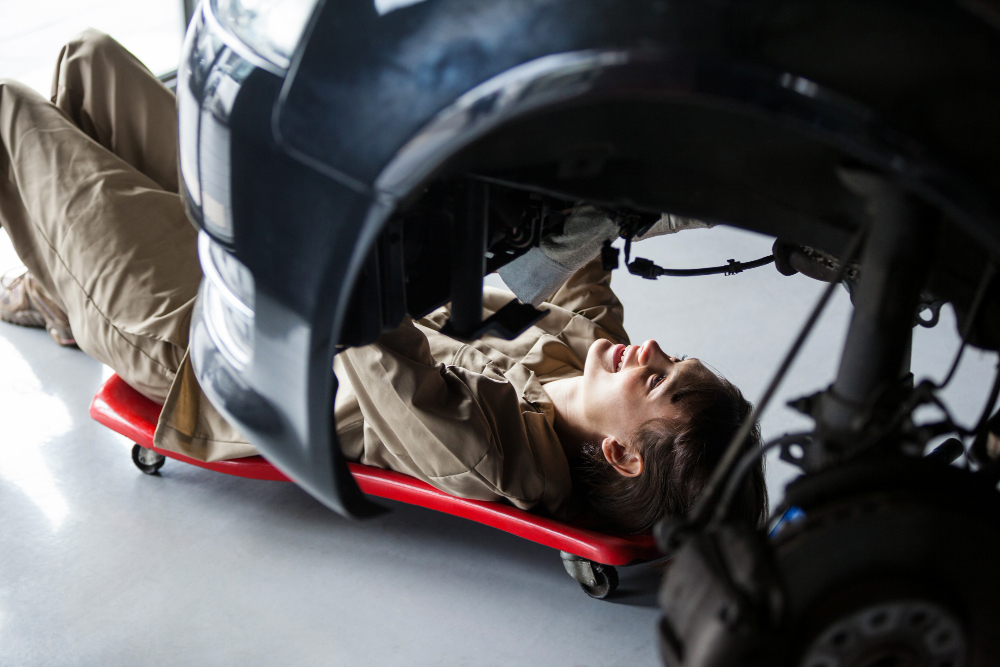
Suspension systems are designed to absorb shocks, maintain tyre contact with the road and keep vehicles stable and comfortable. While suspension components are built to last, they operate under constant stress and are heavily influenced by the roads they travel on. Poor road conditions do not just affect comfort. Over time, they significantly accelerate suspension wear and reduce overall vehicle reliability.
Many drivers associate suspension wear with age or mileage, but road quality often plays a bigger role. Potholes, speed humps, uneven surfaces and poorly maintained roads all place repeated strain on suspension components. Because this wear develops gradually, it is easy to overlook until handling, comfort or tyre wear becomes noticeably worse. Understanding how road conditions affect suspension helps drivers spot problems earlier and avoid costly repairs.
Why Suspension Is Constantly Under Load
Suspension components are never at rest. Even on smooth roads, they are constantly adjusting to surface changes, vehicle weight and driving inputs. This continuous movement causes gradual wear that accelerates under poor road conditions.
The harsher the road surface, the harder the suspension has to work.
- Springs compress and rebound continuously
- Dampers control constant movement
- Bushes absorb vibration and impact
- Joints flex with every steering input
How Potholes Damage Suspension Components
Potholes deliver sudden, sharp impacts that suspension systems are not designed to absorb repeatedly. Hitting potholes at speed forces components to compress violently, stressing mounts, joints and dampers.
Even a single impact can cause long-term damage.
- Shock loads overwhelm dampers
- Springs compress beyond normal range
- Bushes tear or deform
- Alignment is knocked out
The Cumulative Effect of Repeated Impacts
While one pothole strike may not cause immediate failure, repeated impacts gradually weaken suspension components. Over time, metal fatigues, rubber deteriorates and tolerances increase.
This cumulative damage explains why suspension wear often appears suddenly.
- Metal components fatigue gradually
- Rubber bushes harden and crack
- Mounting points loosen over time
- Wear accelerates once tolerances increase
Speed Humps and Raised Traffic Calming
Speed humps are designed to slow vehicles, but they also place repeated stress on suspension systems. Poorly designed or aggressively driven humps force suspension to compress fully and rebound sharply.
Daily exposure significantly shortens component life.
- Full suspension compression stresses dampers
- Springs absorb repeated high loads
- Bushes degrade from constant flexing
- Mounts loosen over time
Uneven Road Surfaces and Vibration Damage
Rough or broken road surfaces cause continuous vibration rather than sharp impacts. This vibration gradually loosens fasteners, degrades bushes and accelerates wear across the suspension system.
Vibration-related wear often goes unnoticed until symptoms worsen.
- Continuous vibration stresses components
- Bushes degrade from constant movement
- Fasteners loosen gradually
- Noise and play develop slowly
How Poor Road Drainage Worsens Wear
Standing water and poorly drained roads allow moisture to penetrate suspension components. Over time, this promotes corrosion and reduces component strength, particularly in joints and springs.
Moisture-related wear often accompanies poor road conditions.
- Water promotes corrosion on metal parts
- Joints lose lubrication
- Springs weaken from rust
- Protective coatings degrade
The Impact of Broken Road Edges and Kerbs
Driving near broken road edges or mounting kerbs places uneven loads on suspension. This causes asymmetric wear, particularly in bushes, ball joints and wheel bearings.
Uneven stress shortens component lifespan.
- Suspension loads become unbalanced
- One side wears faster than the other
- Alignment drifts gradually
- Handling becomes inconsistent
How Rural Roads Affect Suspension Differently
Rural roads often feature uneven surfaces, hidden potholes and poor drainage. While traffic volumes are lower, suspension wear can be higher due to unpredictable road conditions.
Rural driving places unique demands on suspension systems.
- Surfaces vary constantly
- Impacts are less predictable
- Drainage is often poor
- Wear develops unevenly
Urban Roads and Stop-Start Suspension Stress
Urban roads combine poor surfaces with frequent braking and acceleration. This causes constant suspension movement under load, accelerating wear in bushes and dampers.
City driving creates a different wear pattern.
- Frequent load changes stress components
- Repeated compression and rebound
- Steering inputs increase joint wear
- Components rarely get rest
How Motorway Expansion Joints Affect Suspension
Expansion joints on motorways create repetitive impacts at speed. While less severe than potholes, the frequency and speed magnify their effect on suspension components.
Long-distance drivers are not immune to wear.
- Repeated impacts at high speed
- Dampers absorb constant shocks
- Bushes fatigue over long journeys
- Wear accumulates quietly
The Role of Vehicle Weight on Rough Roads
Heavier vehicles exert more force on suspension components when encountering poor road surfaces. SUVs and electric vehicles place particularly high loads on springs and dampers.
Weight amplifies road-induced wear.
- Increased mass increases impact force
- Suspension compresses more aggressively
- Dampers work harder to control movement
- Component fatigue accelerates
Tyre Sidewalls and Suspension Stress
Tyres act as the first line of suspension. Low-profile tyres absorb less impact, transferring more force to suspension components. On poor roads, this increases wear significantly.
Wheel and tyre choice affects suspension life.
- Low-profile tyres absorb less shock
- Impacts transfer directly to suspension
- Bushes and joints absorb more force
- Wear increases on rough surfaces
How Alignment Is Affected by Road Conditions
Poor road surfaces knock wheels out of alignment gradually. Misalignment increases stress on suspension components and accelerates tyre wear.
Alignment issues often follow road damage.
- Impacts alter suspension geometry
- Misalignment increases component strain
- Tyres wear unevenly
- Handling deteriorates
Suspension Bush Wear from Road Impacts
Bushes are designed to absorb movement and vibration. Repeated road impacts cause them to compress, twist and tear beyond design limits.
Bush wear is a common result of poor roads.
- Rubber degrades under repeated stress
- Cracks form internally
- Movement increases gradually
- Noise and play develop
Ball Joints and Steering Components Under Stress
Ball joints and steering links endure constant movement. Poor road surfaces accelerate wear by increasing load and vibration, leading to looseness and knocking noises.
Steering precision suffers as wear progresses.
- Increased vibration stresses joints
- Lubrication breaks down
- Play develops gradually
- Handling becomes vague
Shock Absorber Degradation on Rough Roads
Shock absorbers control suspension movement. Repeated harsh impacts overheat dampers, break down internal seals and reduce effectiveness.
Worn dampers are often missed during routine checks.
- Internal seals degrade from heat
- Damping force reduces gradually
- Vehicle becomes less controlled
- Wear accelerates rapidly once weakened
Spring Fatigue from Repeated Compression
Springs are designed for millions of compression cycles, but harsh road impacts push them closer to fatigue limits. Over time, springs lose strength or crack.
Spring failure is often linked to road damage.
- Over-compression weakens metal
- Fatigue builds over time
- Ride height changes gradually
- Breakage may occur suddenly
How Road Salt Accelerates Corrosion
Road salt used in winter accelerates corrosion of suspension components. Combined with poor road surfaces, this significantly shortens component life.
Winter driving increases suspension wear risk.
- Salt attacks metal surfaces
- Protective coatings degrade
- Springs corrode rapidly
- Joints seize or weaken
Why Suspension Wear Is Often Misdiagnosed
Symptoms of suspension wear develop gradually and are often blamed on tyres or steering. Without inspection, road-induced wear may go unnoticed.
Misdiagnosis delays proper repair.
- Handling changes feel subtle
- Noise develops gradually
- Tyre wear masks suspension issues
- Visual checks reveal true condition
How Suspension Wear Affects Tyres and Brakes
Worn suspension components reduce tyre contact consistency, increasing tyre and brake wear. This creates secondary costs beyond suspension repairs.
Suspension health affects the whole vehicle.
- Tyres wear unevenly
- Braking distances increase
- Stability systems intervene more
- Running costs rise
The Safety Impact of Worn Suspension
Suspension directly affects vehicle stability and control. Worn components reduce grip, increase stopping distances and compromise safety systems.
Road-induced wear has real safety implications.
- Reduced tyre contact with road
- Increased body movement
- Less predictable handling
- Safety systems become less effective
Why Suspension Wear Often Goes Unnoticed
Drivers adapt to gradual changes in ride and handling. What starts as minor discomfort becomes normal, masking serious wear.
By the time symptoms are obvious, wear is advanced.
- Gradual change feels normal
- Drivers compensate unconsciously
- Noise and vibration increase slowly
- Problems are accepted as age-related
The Importance of Regular Suspension Inspections
Visual and mechanical inspections identify wear before it becomes severe. Catching suspension issues early reduces repair costs and protects safety.
Inspections are essential on poor roads.
- Early detection prevents escalation
- Repairs are less extensive
- Tyre wear is reduced
- Safety is maintained
How Audi VW Centre Assesses Suspension Wear
Audi VW Centre inspects suspension as a system, considering road use, vehicle weight and driving habits. This allows accurate diagnosis and targeted repairs.
Experience matters in suspension assessment.
- Full system inspections
- Bushes, joints and dampers checked
- Alignment assessed alongside wear
- Advice tailored to road conditions
Conclusion
Road conditions play a major role in how quickly suspension components wear. Potholes, uneven surfaces, speed humps and poor drainage all place repeated stress on springs, dampers and joints. Over time, this stress leads to gradual degradation that affects comfort, handling and safety. Because the changes happen slowly, many drivers do not realise their suspension is worn until problems become serious.
At Audi VW Centre, our Bromham and Melksham teams specialise in identifying suspension wear caused by real-world road conditions. Through thorough inspections and targeted repairs, we help drivers maintain ride quality, protect tyres and ensure safe, predictable handling. If your vehicle feels less stable or comfortable than it once did, suspension wear may be the reason.


