

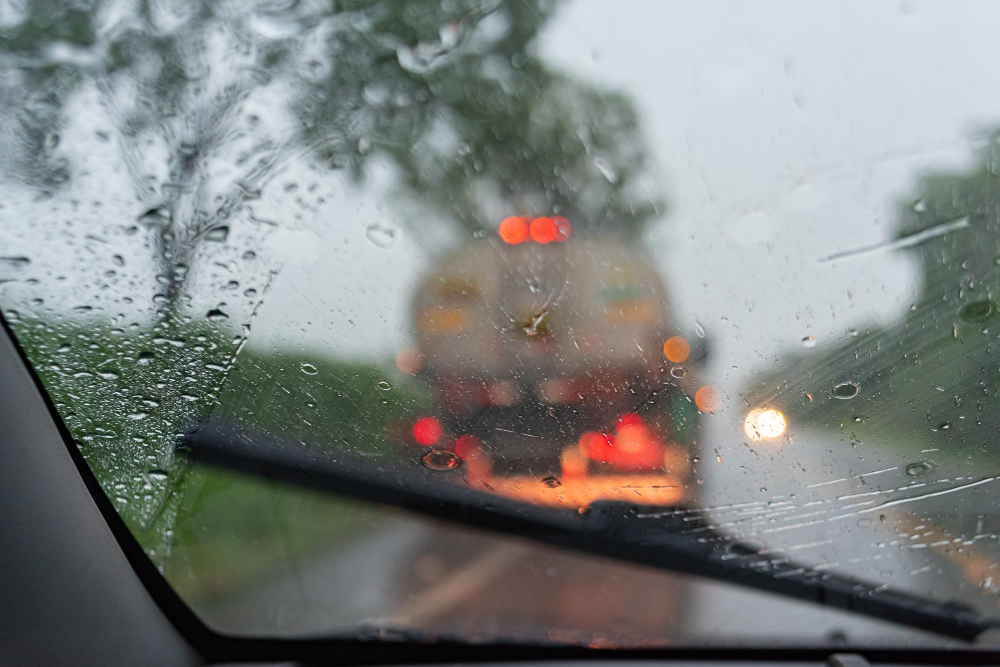
Weather affects every part of your car, but few systems are as exposed as brakes, steering and suspension. These components work closest to the road surface and are constantly subjected to moisture, temperature changes, dirt and debris. While weather rarely causes immediate failures, it accelerates wear in ways that many drivers do not recognise until performance, comfort or safety is compromised.
In the UK, vehicles experience wide seasonal variation, from freezing mornings and salted roads to heavy rain and summer heat. Each condition affects braking performance, steering precision and suspension durability differently. Because these changes develop gradually, drivers often adapt without realising how much weather has altered the way their car behaves. Understanding these effects helps prevent premature wear and unexpected repair costs.
Why Brakes, Steering and Suspension Are Most Affected by Weather
These systems are exposed, mechanical and constantly moving. Unlike engines or gearboxes, they are not sealed away from the elements. Moisture, temperature and contamination interact directly with their components every time the car is driven.
Weather exposure accelerates degradation more than mileage alone.
- Components are exposed to road spray
- Moving parts are affected by moisture
- Temperature changes alter material behaviour
- Dirt and debris accelerate wear
How Cold Weather Affects Brake Performance
Cold temperatures change how braking components behave. Brake discs and pads require heat to operate efficiently, and cold conditions reduce friction initially. This affects stopping distances, especially on the first few brake applications.
Cold-related braking issues are subtle but important.
- Cold pads generate less initial friction
- Discs take longer to reach operating temperature
- Pedal feel may feel less responsive
- Stopping distances increase temporarily
Moisture, Corrosion and Brake Wear
Rain, condensation and standing water expose brakes to constant moisture. This encourages corrosion on discs, calipers and fittings. While light surface rust clears quickly, repeated exposure accelerates long-term wear.
Moisture-driven wear builds quietly.
- Discs develop surface corrosion
- Caliper components stiffen over time
- Brake hardware loses free movement
- Wear becomes uneven
Why Winter Road Salt Damages Brake Components
Road salt prevents ice but is highly corrosive. It attacks brake discs, calipers, pipes and fittings, accelerating corrosion far beyond normal wear. Salt damage continues even when the car is parked.
Winter conditions shorten brake lifespan.
- Salt corrodes metal components
- Protective coatings degrade
- Caliper sliders seize more easily
- Brake lines deteriorate faster
Heat and Summer Brake Stress
Hot weather increases brake temperatures, especially during heavy use. Heat accelerates wear, degrades brake fluid and increases the risk of fade under repeated braking.
Heat management becomes critical.
- Brake temperatures rise more quickly
- Fluid absorbs heat and moisture
- Pedal feel softens under load
- Wear accelerates in high temperatures
Brake Fluid and Seasonal Degradation
Brake fluid absorbs moisture from the air over time. Cold and wet conditions accelerate this process. Moisture reduces boiling point and compromises braking consistency.
Fluid condition affects safety year-round.
- Moisture lowers boiling point
- Pedal feel becomes inconsistent
- Heat tolerance is reduced
- Corrosion inside brake lines increases
How Rain Affects Steering Response
Wet roads reduce tyre grip, altering how steering inputs translate to vehicle movement. Steering may feel lighter or less precise as tyres struggle to maintain contact.
This change is often mistaken for mechanical faults.
- Reduced tyre grip affects steering feel
- Response becomes less immediate
- Feedback through the wheel decreases
- Confidence in handling is reduced
Cold Weather and Steering Components
Low temperatures stiffen rubber bushes and seals within the steering system. This reduces flexibility and increases resistance, particularly on cold starts.
Steering behaviour changes with temperature.
- Rubber bushes harden in cold
- Steering feels heavier initially
- Movement becomes less smooth
- Noise may increase temporarily
How Moisture Affects Steering Joints
Steering joints and linkages are exposed to water and dirt. Moisture penetrates protective boots, washing away lubrication and accelerating wear.
This leads to gradual loss of precision.
- Lubrication breaks down
- Joints develop play
- Steering accuracy declines
- Knocking noises may appear
The Effect of Heat on Steering Systems
High temperatures soften rubber components and increase expansion of metal parts. This can change steering feel and accelerate wear in seals and joints.
Heat influences long-term reliability.
- Rubber components fatigue faster
- Seals degrade more quickly
- Steering feel becomes vague
- Wear progresses silently
How Suspension Reacts to Temperature Changes
Suspension components rely on controlled movement. Temperature affects how springs, dampers and bushes respond to road inputs. Cold stiffens components, while heat softens them.
Ride quality varies with weather.
- Cold reduces flexibility
- Heat increases movement
- Damping behaviour changes
- Comfort and control are affected
Cold Weather and Suspension Stiffness
In cold conditions, suspension bushes and dampers become less compliant. This increases harshness over bumps and transfers more impact to mounting points.
Cold exaggerates road imperfections.
- Bushes lose flexibility
- Dampers respond more harshly
- Impacts feel more severe
- Wear accelerates in mounts
How Wet Roads Increase Suspension Stress
Wet conditions often coincide with potholes, standing water and damaged surfaces. Suspension absorbs greater impacts, especially when hazards are hidden.
Road conditions amplify weather effects.
- Potholes are harder to see
- Water increases impact force
- Bushes and joints are stressed
- Alignment is knocked out
Heat and Suspension Fatigue
High temperatures accelerate fatigue in suspension components. Dampers overheat, seals degrade and springs lose strength more quickly under sustained load.
Summer driving affects longevity.
- Dampers lose efficiency faster
- Seals degrade under heat
- Springs fatigue more quickly
- Ride height can change
How Weather Accelerates Bush Wear
Suspension bushes absorb vibration and movement. Temperature extremes and moisture accelerate cracking, hardening and tearing of rubber.
Bush wear affects multiple systems.
- Cold causes brittleness
- Heat causes softening and fatigue
- Moisture degrades rubber
- Handling and noise suffer
Corrosion and Suspension Components
Suspension arms, springs and fasteners are vulnerable to corrosion. Salt, moisture and dirt combine to weaken structural components.
Corrosion compromises safety.
- Metal thickness is reduced
- Fasteners seize
- Springs weaken
- Structural integrity declines
Steering and Suspension Alignment Changes
Weather-related impacts and temperature changes gradually affect alignment. Misalignment increases tyre wear and places additional strain on steering and suspension.
Alignment rarely drifts suddenly.
- Impacts alter geometry
- Bush wear changes angles
- Tyres wear unevenly
- Handling becomes unpredictable
How Weather Masks Early Warning Signs
Cold, wet or noisy conditions often mask early signs of wear. Drivers attribute changes to the weather rather than underlying issues.
Problems are dismissed too easily.
- Noises are blamed on cold
- Handling changes feel temporary
- Symptoms are ignored seasonally
- Wear progresses unnoticed
Why Seasonal Inspections Matter
Weather-related wear builds gradually and compounds over time. Seasonal inspections catch issues before they become expensive or unsafe.
Timing is crucial.
- Winter damage is revealed in spring
- Summer stress shows in autumn
- Wear patterns become visible
- Repairs remain manageable
The Safety Impact of Weather-Related Wear
Brakes, steering and suspension directly affect safety systems. Weather-accelerated wear reduces grip, stability and braking effectiveness.
Safety margins shrink quietly.
- Stopping distances increase
- Steering precision declines
- Stability systems intervene more
- Control in emergencies is reduced
How Driving Habits Amplify Weather Effects
Driving style influences how weather affects components. Aggressive braking, fast cornering and poor anticipation increase stress under adverse conditions.
Habits compound wear.
- Hard braking increases heat
- Potholes cause more damage at speed
- Steering loads increase
- Wear accelerates faster
Why Modern Cars Hide Weather-Related Wear
Modern vehicles compensate electronically for declining mechanical performance. This masks wear caused by weather until limits are reached.
Technology delays awareness.
- Systems adapt to reduced performance
- Warning lights appear late
- Handling feels acceptable longer
- Failures feel sudden
How Preventative Maintenance Reduces Weather Damage
Regular inspections and servicing identify corrosion, stiffness and wear early. Preventative maintenance limits weather-related damage before it escalates.
Prevention protects longevity.
- Components are cleaned and lubricated
- Early corrosion is addressed
- Worn parts are replaced before failure
- Performance remains consistent
Why Independent Specialists See Weather Damage First
Independent specialists encounter weather-related wear daily. Experience reveals patterns that generic checks often miss.
Real-world exposure matters.
- Common failure points are recognised
- Seasonal trends are understood
- Inspections are more targeted
- Advice is practical
How Audi VW Centre Assesses Weather-Related Wear
Audi VW Centre evaluates brakes, steering and suspension with real-world conditions in mind. We look beyond mileage and consider exposure, usage and environment.
Context improves diagnosis.
- Full system inspections
- Corrosion and stiffness checks
- Alignment and wear assessed together
- Advice tailored to seasonal use
Conclusion
Weather plays a significant role in how brakes, steering and suspension wear over time. Cold reduces flexibility, heat accelerates fatigue, moisture encourages corrosion and poor road conditions increase impact stress. These effects rarely cause immediate failure, but they quietly shorten component lifespan and reduce safety margins if left unaddressed.
At Audi VW Centre, our Bromham and Melksham teams understand how British weather affects vehicles in real-world conditions. Through preventative inspections and expert servicing, we help drivers stay ahead of weather-related wear and maintain safe, predictable performance all year round.


